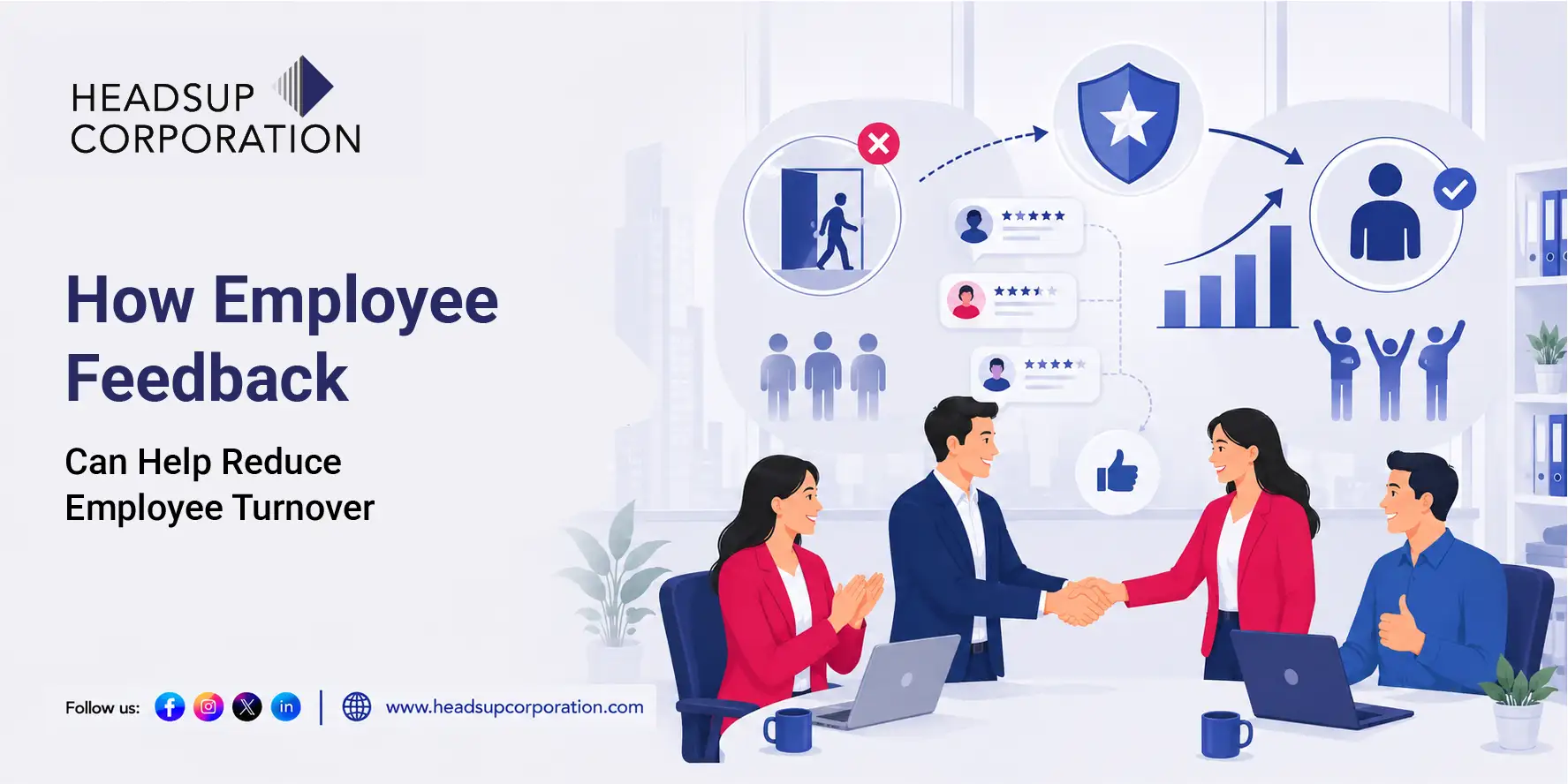
Turnover is expensive, disruptive, and, in many cases, preventable. Study after study points to the same pattern: employees rarely leave without warning signs appearing well before their resignation. The organizations that catch those signs early are the ones actively listening. This is where employee feedback and retention intersect directly.
The Early Warning Signal Turnover Data Misses
By the time an employee resigns, it’s already too late to act on whatever drove that decision. Exit interviews are useful for understanding why people left, but they’re inherently reactive; they explain a decision that’s already been made, not a problem that’s still solvable.
Continuous employee feedback solutions flip this timeline. Instead of waiting for an exit interview, ongoing pulse surveys and open feedback channels can surface dissatisfaction while there’s still time to address it, a manager conflict that hasn’t yet escalated, a workload issue building toward burnout, or growing frustration about limited growth opportunities.
What Feedback Data Reveals About Retention Risk
Certain themes in feedback data correlate strongly with eventual turnover, and tracking them consistently gives HR teams a genuine early-warning system:
Declining sentiment about management — one of the most consistent predictors of resignation across studies on workplace engagement.
Reduced sense of growth or development — employees who feel stagnant are significantly more likely to look elsewhere.
Workload and burnout signals — sustained negative sentiment around workload often precedes attrition spikes.
Drop-off in participation itself — employees who stop responding to surveys or engaging with feedback channels are sometimes quietly disengaging from the organization altogether.
From Signal to Action
Spotting these signals is only half the equation — the impact on turnover comes from what happens next. Organizations that successfully use feedback to reduce turnover typically build a structured response process:
Flag risk early, using feedback trends rather than waiting for performance reviews or exit interviews.
Equip managers, not just HR, with visibility into their own team’s sentiment trends so they can respond directly.
Address root causes, not just symptoms — a spike in negative workload feedback usually needs a staffing or prioritization fix, not a wellness webinar.
Follow up, checking whether the issue improved after action was taken, rather than treating it as resolved once addressed once.
The Retention ROI Case
For HR leaders needing to justify investment in feedback tools, the retention math is often compelling. Replacing an employee typically costs a significant multiple of their salary once recruiting, onboarding, and lost productivity are factored in. Even a modest reduction in voluntary turnover — catching a handful of at-risk employees before they resign — can offset the cost of a feedback platform many times over.
A Caution: Feedback Alone Doesn’t Retain People
It’s worth being honest about the limits here. Collecting feedback that reveals a retention risk doesn’t do anything by itself — if flagged issues go unaddressed, the platform becomes another broken promise, and can accelerate disengagement rather than prevent it. The retention value of feedback tools comes entirely from the follow-through they enable, not from the data collection itself.
Final Thoughts
Reducing turnover through employee feedback isn’t about predicting resignations with perfect accuracy — it’s about shortening the distance between a problem emerging and someone noticing it. Organizations that build that shorter feedback loop consistently see it reflected in retention, because they’re solving problems while employees are still deciding whether to stay, not after they’ve already decided to go.