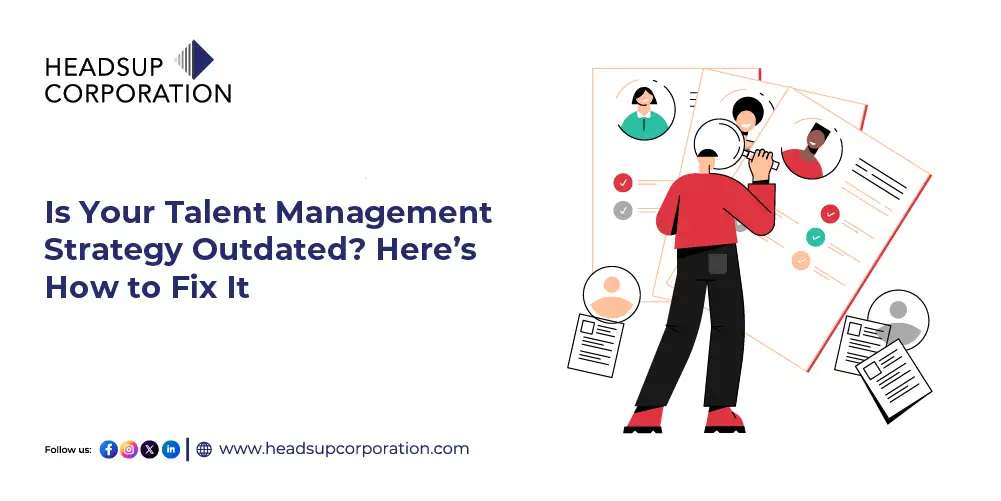
According to a survey published by the Academy to Innovate HR, by 2025, nearly 50% of the workforce will have taken up training, upskilling, or reskilling in the past three years. On the surface, that sounds encouraging. It suggests learning has moved from being a “nice-to-have” to something employees increasingly expect as part of their careers. But that number may also hint at a deeper issue. Despite all this learning activity, many organisations still struggle with disengagement, attrition, and uneven performance. Which raises an uncomfortable question: are our talent management strategies actually keeping pace with how people work and grow today, or just keeping teams busy?
An outdated talent strategy doesn’t always look visibly broken. In fact, it often looks quite organised. Annual appraisals are completed on time. Training calendars are packed. Succession plans are usually neatly documented. And yet, the outcomes tell a different story. High performers quietly disengage. Managers feel ill-equipped to develop their teams. Attrition becomes a recurring conversation rather than an exception. So how do you tell if your approach needs a rethink? And more importantly, where do you begin fixing it?
Signs your talent management strategy may be outdated
One common red flag is an over-reliance on annual cycles. Yearly reviews and once-a-year development conversations assume that roles, priorities, and people remain fairly stable for 12 months. In reality, most teams see priorities shift every quarter and sometimes much faster than that.
Another signal shows up when development feels generic. When the same training programs are rolled out regardless of role, skill gaps, or business context, learning tends to turn into a checkbox exercise. You may also notice managers struggling to hold meaningful conversations. Without the right support, even well-designed frameworks tend to fall apart in day-to-day practice.
What modern talent management needs to look like
A more current approach starts with continuous insight, rather than periodic assessment. Regular check-ins, pulse surveys, and ongoing feedback help organisations spot early signals before disengagement quietly turns into exits.
There’s also a noticeable shift from performance tracking to capability building. Instead of only asking whether goals were met, organisations are starting to ask different questions: What skills are people developing? How ready are they for what’s coming next? Equally important, managers are treated as enablers, not administrators. When managers are equipped to have better conversations around growth, feedback, and expectations, talent systems begin to feel human rather than procedural.
How to start fixing an outdated strategy?
The first step is diagnosis. Before adding new tools or launching new programs, it’s worth stepping back and asking what’s actually working and what isn’t. That often means mapping formal processes against real employee experience, not just policy intent.
Next comes prioritisation. Not everything needs to be fixed at once. Focusing on one or two high-impact areas such as feedback quality, development planning, or manager capability can create momentum without overwhelming teams. And finally, involve employees early. Talent strategies designed for people, but not with them, rarely land the way they’re intended to.
How Headsup helps organisations?
While 50% of employees have already invested time in upskilling or reskilling (AIHR), many organisations still struggle to turn learning effort into measurable performance or retention outcomes. Often, the issue isn’t a lack of intent; it’s a lack of alignment.
At Headsup, we help organisations move away from fragmented learning initiatives toward integrated talent management systems. Our teams work together to assess whether learning is aligned with role readiness, future skills, and real business priorities. From diagnosing capability gaps and refining development frameworks to enabling managers with practical tools for ongoing growth conversations, the focus stays on application and impact—not just course completion.