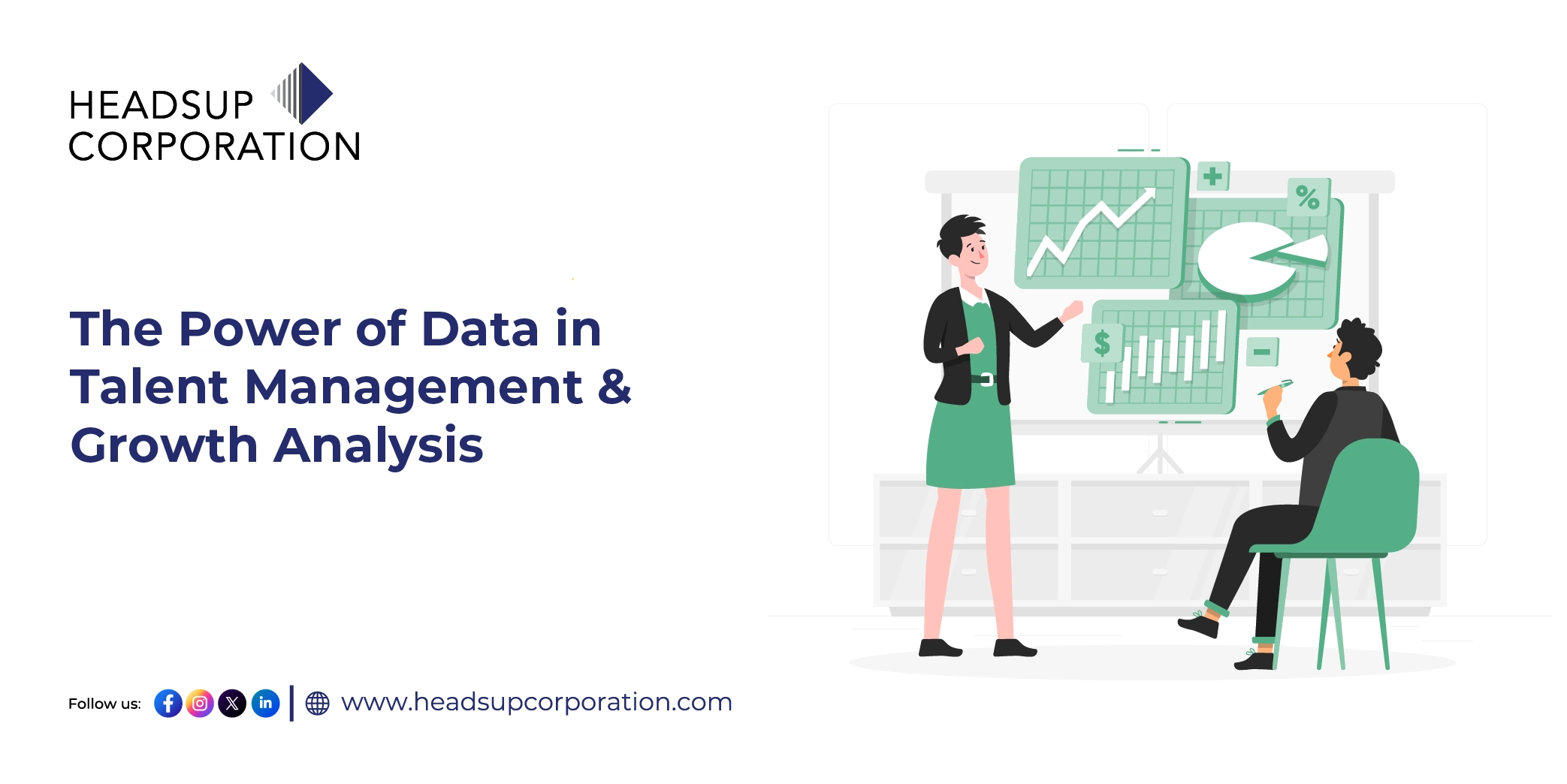
For a long time, talent decisions have relied on instinct. A manager’s gut feeling, a strong interview impression, or a high performer being “visible” at the right time often shaped who got opportunities and who didn’t. But as organisations grow, that instinct alone starts to fall short. This is where data quietly changes the game.
When used well, data doesn’t replace human judgment; it sharpens it. It helps organisations move from assumptions to evidence, from reactive decisions to informed ones, and from generic talent programs to growth strategies that actually fit their people.
Why talent decisions without data often miss the mark?
Without data, talent management tends to focus on outcomes rather than patterns. Performance ratings are discussed, but the drivers behind performance remain fuzzy. Attrition is analysed after people leave, not while signals are still visible. High-potential talent is identified based on visibility rather than readiness.
In many organisations, data does exist, but it’s fragmented. Performance data sits in one system, learning data in another, engagement insights somewhere else entirely. As a result, leaders see pieces of the picture, not the whole thing. That gap is where growth opportunities are missed.
What data really adds to talent management?
At its core, data helps answer better questions. Instead of asking, Who performed well last year? Organisations can ask:
- Who is consistently growing in capability?
- Where are skill gaps emerging before they impact performance?
- Which teams are at higher risk of disengagement or attrition?
When performance, learning, feedback, and engagement data are viewed together, patterns start to appear. For example, a team with stable performance scores but declining engagement may not be struggling yet, but it likely will. Similarly, employees actively building new skills but receiving limited role mobility often become flight risks. These insights are difficult to spot without data-backed analysis.
Growth analysis: moving beyond promotions
One of the biggest shifts data enables is how organisations define “growth.” Growth isn’t limited to promotions anymore. It shows up in skill progression, role complexity, cross-functional exposure, and readiness for future roles. Data allows organisations to track this more objectively:
- Skill acquisition over time
- Movement across roles or projects
- Feedback trends from managers and peers
- Learning application, not just completion
This helps leaders identify talent that may otherwise be overlooked, quiet performers, lateral movers, or employees growing faster than their current role allows.
Where organisations often go wrong with data
Data becomes ineffective when it’s treated as a reporting exercise rather than a decision tool. Dashboards are reviewed, numbers are noted, and then business continues as usual. Another common mistake is over-quantifying people’s decisions. Not everything meaningful can be reduced to a score. Data works best when paired with context manager conversations, employee narratives, and on-ground realities. Used in isolation, data can feel cold. Used thoughtfully, it becomes clarifying.
How Headsup approaches data in talent management?
At Headsup, we look at data as a lens, not a verdict. Our Talent Management & Growth Analysis work focuses on connecting performance data, development signals, and engagement insights to real decisions managers need to make.
We help organisations identify growth readiness, succession risks, capability gaps, and retention signals early so action can be taken before issues escalate. Just as importantly, we enable managers to interpret data meaningfully and use it to have better, more informed conversations with their teams.
The goal isn’t more data. It’s better decisions, made earlier.
Talent management doesn’t become effective just because data is available. It becomes powerful when data is connected, interpreted, and applied with intent. When organisations get that balance right, growth stops being accidental and starts becoming deliberate.